Inbound seller calls are your hottest leads, so answer them like it
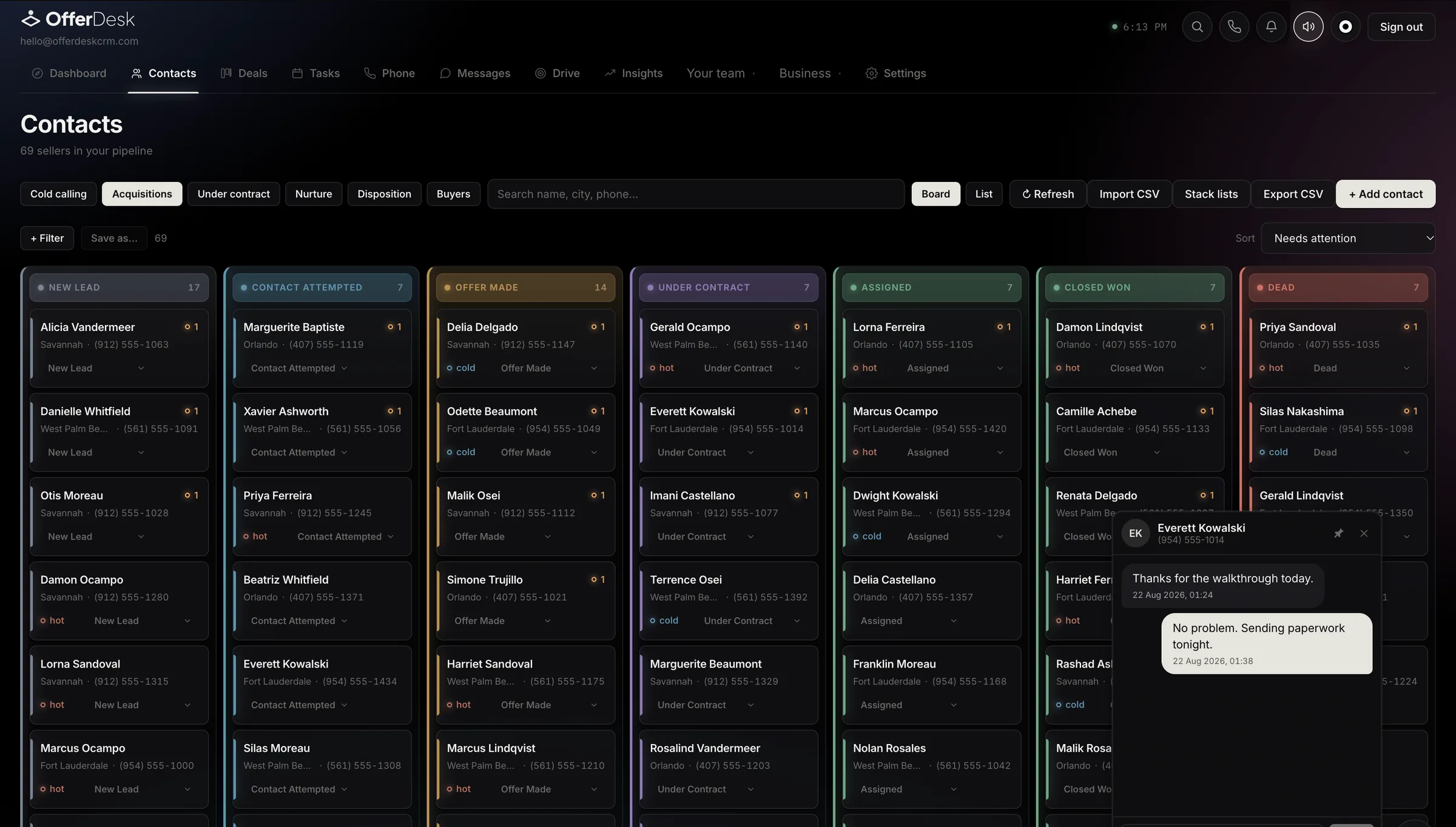
Most of an acquisitions day is outbound: lists, dials, voicemails. So it is easy to treat the phone ringing as an interruption.
The numbers on one working desk say the opposite. In October, inbound calls were 14% of all calls on the dialer. They were 41% of the conversations that lasted ten minutes or more. The seller who calls you is already halfway through the conversation you spend all day trying to start.
Why inbound sellers are different
A seller who calls back has done three things a cold contact has not. They kept your number. They decided to talk. And they picked a moment that works for them, which usually means they have time and something on their mind.
That does not make them easy. It makes them ready, and readiness is perishable. The same seller who calls at 2 pm and reaches voicemail may not call again, or may call the next number on their fridge.
Answer it, or call back inside minutes
The rule is simple: an inbound call beats whatever you are doing, unless you are mid-conversation with another seller.
If you miss it:
- Call back within minutes, not hours. They were thinking about the house when they dialed. Catch them while they still are.
- Text if the callback goes unanswered. Keep it short: "Hi, it's Adam returning your call about the house on Maple. Is now a good time?"
- Log the missed call on the lead right away, so nobody else on the team calls them cold an hour later.
On that desk, sellers who texted got an answer in 8 minutes on median. Apply the same standard to a missed call.
Start by finding out why they called
An inbound seller usually opens with a question: "You sent me a letter?" or "What would you pay for my house?"
Do not answer the price question first. Thank them for calling, confirm the property, and ask what made them reach out now:
"Thanks for calling back. Before anything else, what has you thinking about selling right now?"
"The tenants moved out and I don't want to deal with it again."
"That makes sense. How long has it been empty?"
Something changed for them to pick up the phone. That change is the reason, and the reason decides whether your offer is interesting. The seller motivation questions post walks through the full set.
Treat the lead as hot until it proves otherwise
An inbound call should move the lead to the top of your list, with a note that says why:
- What prompted the call. A letter, a text, a sign, a referral.
- The reason they gave, in their words.
- Any date or deadline they mentioned.
- The next step you agreed, with a day and a time.
If you end the call without a dated next step, you have turned a warm seller back into a cold one. "I'll run some numbers and call you Thursday at 4" keeps the conversation alive. "I'll get back to you" lets it drift.
Ask how they found you
It takes ten seconds and tells you where your best leads come from. If inbound sellers mostly mention a particular mailer or sign, that is where the next budget should go. If they mention a text, your texting is working. Write the answer on the lead so it can be counted later.
Do not let inbound get buried
On a busy desk, inbound calls compete with a dial session, a team meeting and a dozen follow-ups. A few habits keep them from slipping:
- Keep your phone on and the volume up during calling blocks.
- Check missed calls and texts between every dial session, not at the end of the day.
- Give inbound its own place on your list, separate from the cold queue, so it never waits behind 200 outbound dials.
The point
Cold calling fills the pipeline. Inbound is where the pipeline answers back. Treat every inbound call or text as the hottest lead of the day, and give it the fastest, most careful response you have.
For the words to use when you call back, see the cold calling script. For what to do after the first conversation, read how to follow up with motivated sellers. OfferDesk puts missed inbound calls and texts at the top of your day, on the right lead, with the reason and the next step beside them. Get your free desk.